
A Deep Dive into Freedom, Exploration, and Immersion
Open world games have transformed the way we experience interactive entertainment. Instead of guiding players through linear levels, these games drop you into massive, living worlds filled with opportunities, secrets, and dynamic storytelling. You are not just following a path — you are creating your own journey.
In this article, we’ll explore some of the best open world games ever made, what makes them exceptional, and why they continue to dominate gaming culture worldwide.
1. The Witcher 3: Wild Hunt (2015)


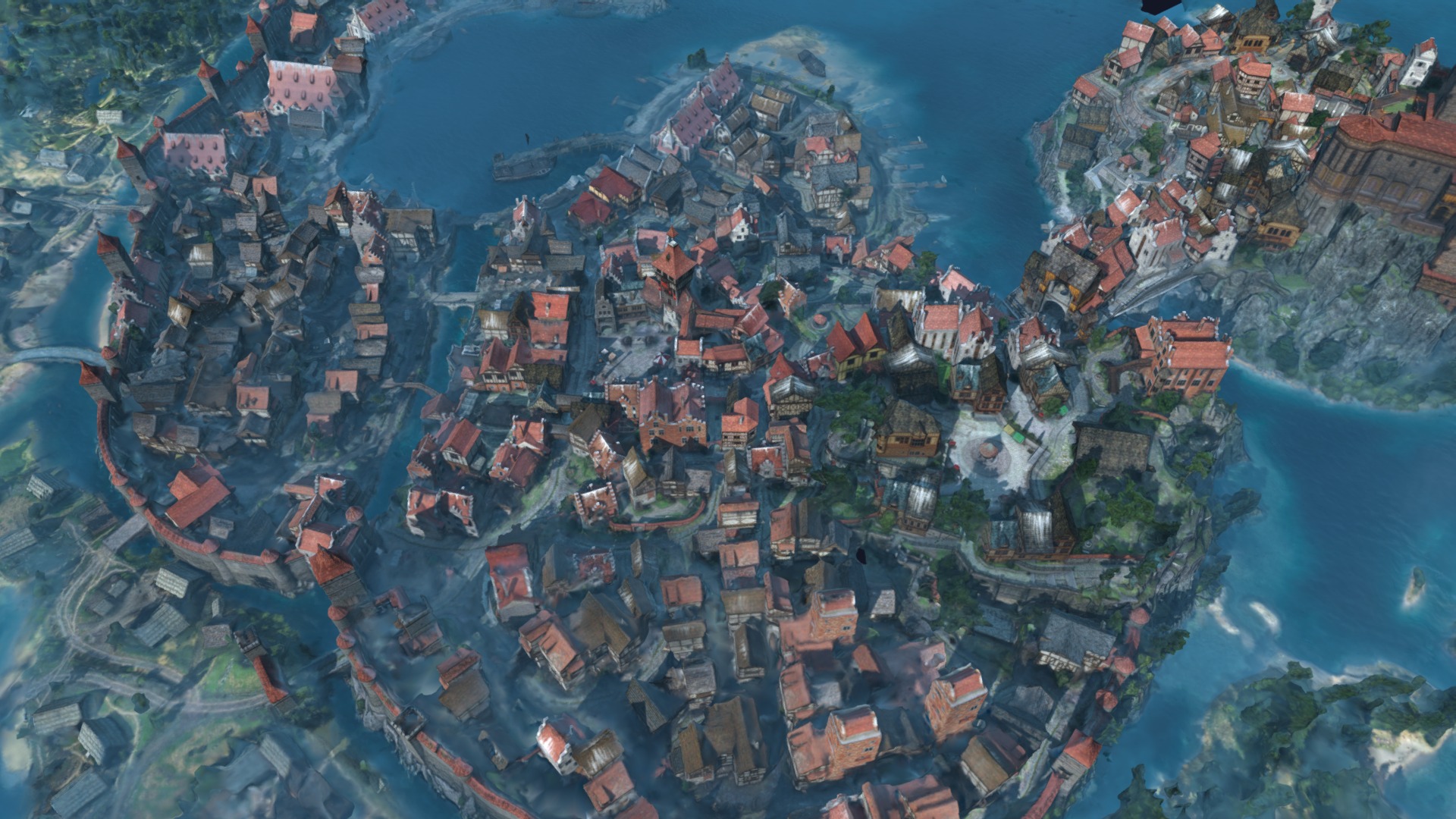

Few games have defined modern open world RPGs like The Witcher 3. Developed by CD Projekt, this masterpiece places you in the boots of Geralt of Rivia, a monster hunter navigating a war-torn continent.
What makes it stand out?
- Deep, emotionally driven storytelling
- Side quests that feel like main missions
- Massive map with diverse regions
- Meaningful choices that impact the ending
Unlike many open world games where side missions feel repetitive, The Witcher 3 treats even minor quests with care. The world feels alive, morally complex, and unpredictable.
2. Red Dead Redemption 2 (2018)




Developed by Rockstar Games, this game is a technical and narrative masterpiece.
Set in a fading Wild West, you play as Arthur Morgan, an outlaw struggling with loyalty and survival. The world reacts to your actions. NPCs remember you. Wildlife behaves realistically. Weather changes dynamically.
Why it’s legendary:
- Insane level of environmental detail
- Realistic NPC interactions
- Cinematic storytelling
- Emotional character development
Red Dead Redemption 2 feels less like a game and more like a living world simulation.
3. Grand Theft Auto V (2013)
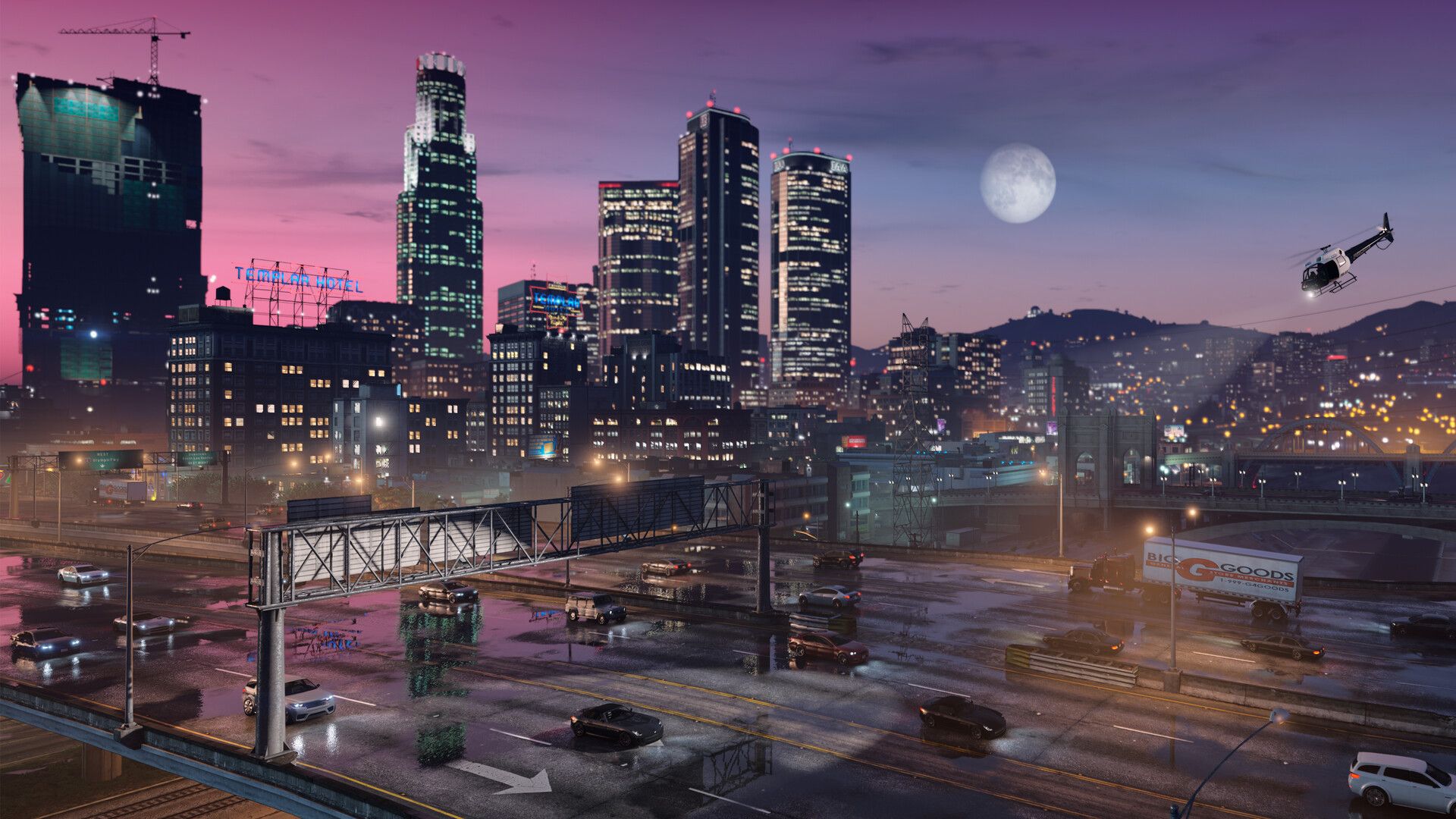



Also from Rockstar Games, GTA V remains one of the best-selling games of all time.
What makes it timeless?
- Three playable protagonists
- Massive modern city (Los Santos)
- Freedom to explore, drive, fly, and cause chaos
- GTA Online multiplayer experience
The game balances serious storytelling with outrageous fun. Even after more than a decade, players still log in daily.
4. Elden Ring (2022)
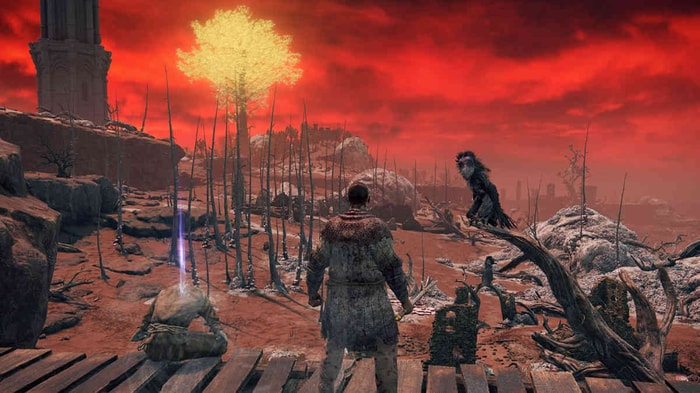
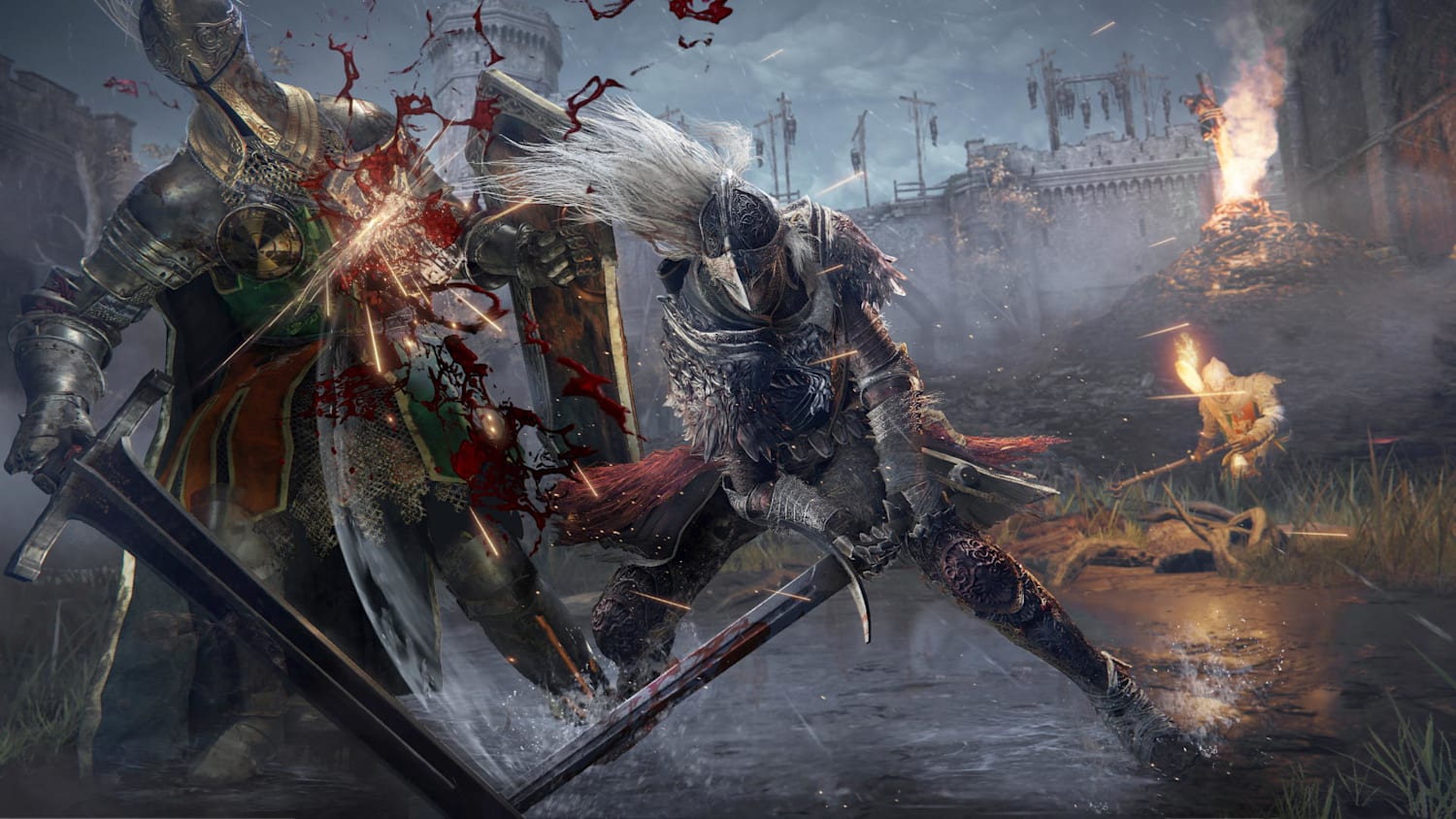

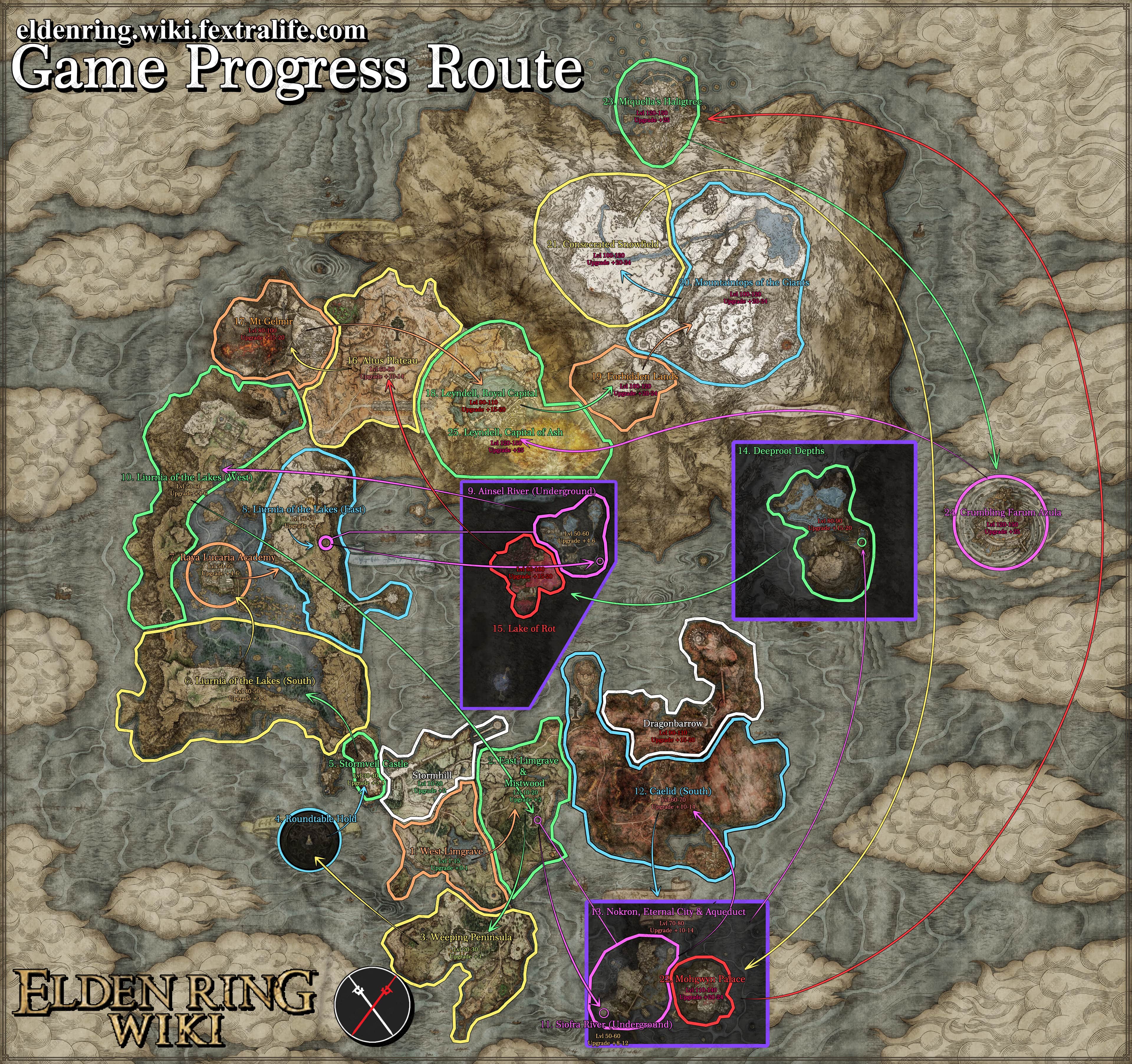
Developed by FromSoftware, Elden Ring redefined the open world formula by removing traditional quest markers and letting players discover everything organically.
Why it stands out:
- Challenging but rewarding combat
- Minimal hand-holding
- Hidden dungeons and secrets everywhere
- Dark fantasy atmosphere
Exploration in Elden Ring feels mysterious. You never know what’s behind the next hill — treasure or death.
5. The Legend of Zelda: Breath of the Wild (2017)
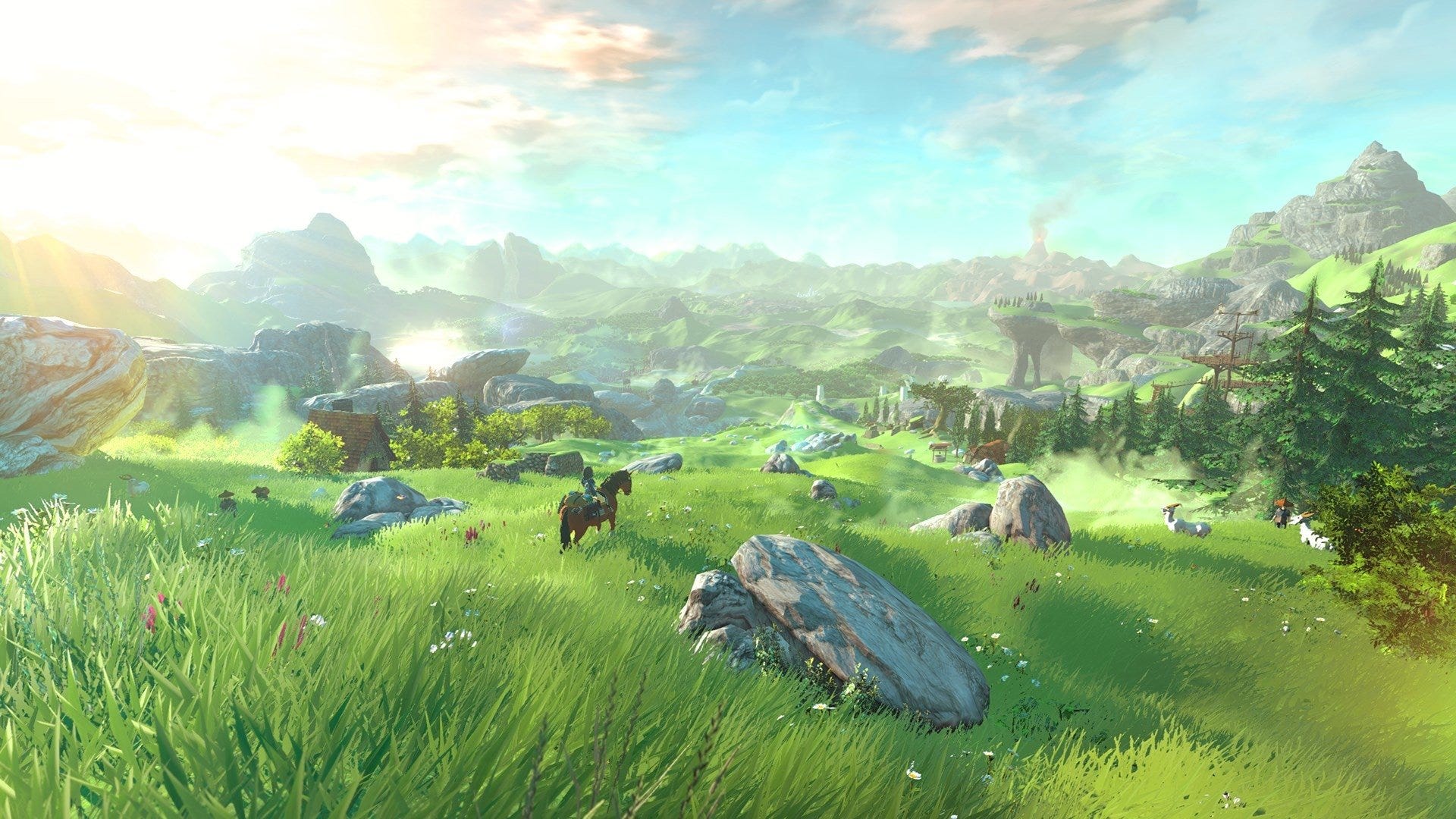
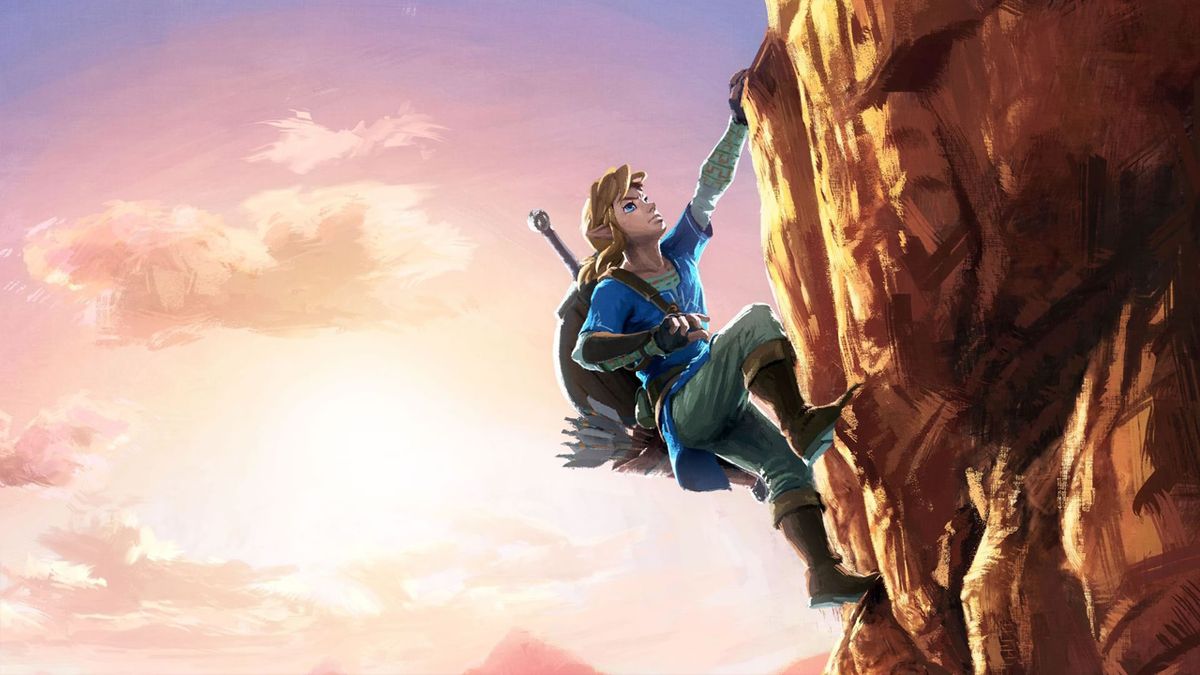
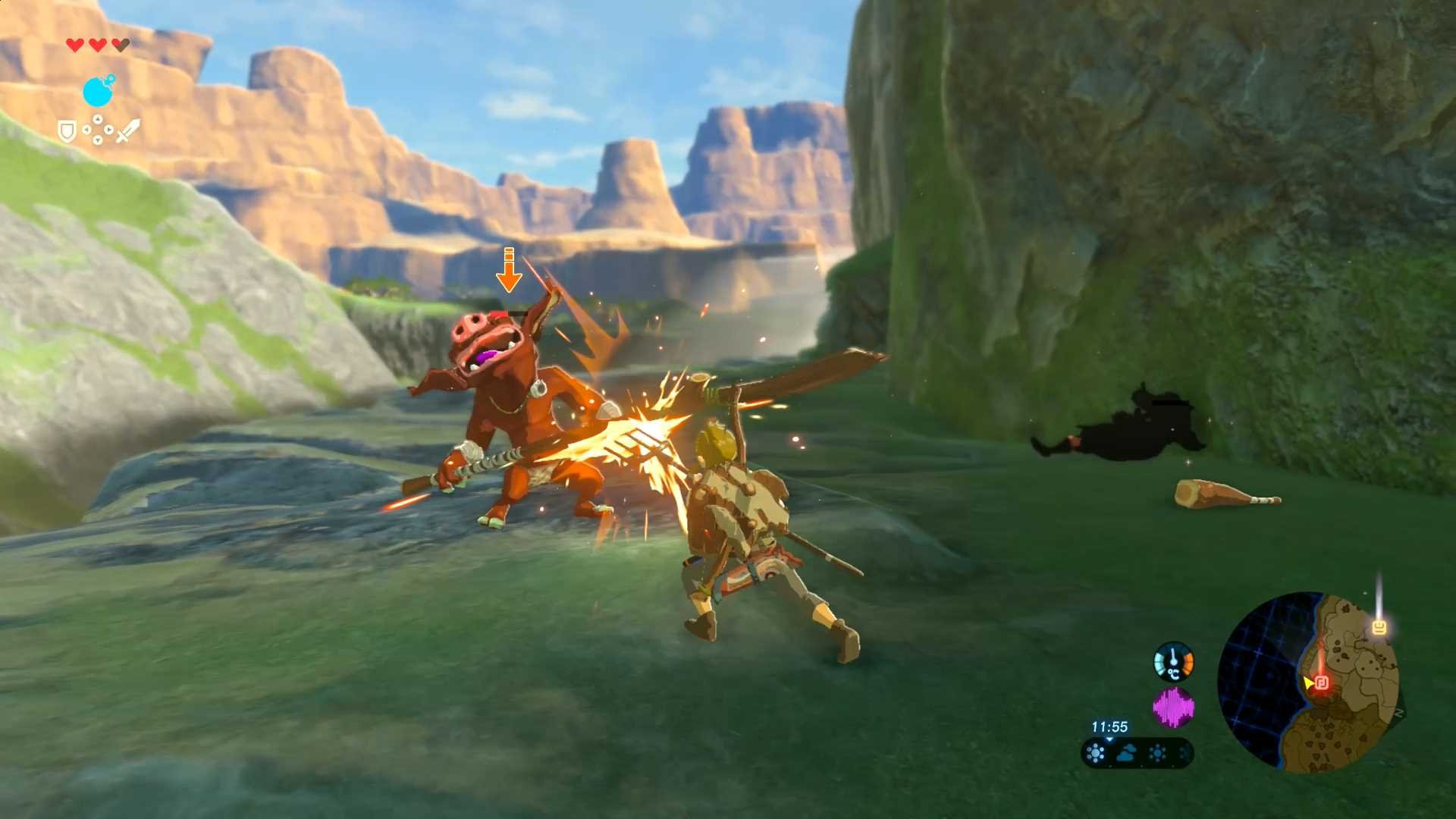

Created by Nintendo, this game revolutionized open world design on consoles.
Instead of overwhelming players with objectives, it encourages curiosity. You can climb almost anything, experiment with physics, and solve problems creatively.
Highlights:
- Physics-based gameplay
- Complete freedom from the start
- Non-linear progression
- Stunning art style
Breath of the Wild proved that innovation doesn’t always require hyper-realism.
6. Cyberpunk 2077 (2020)
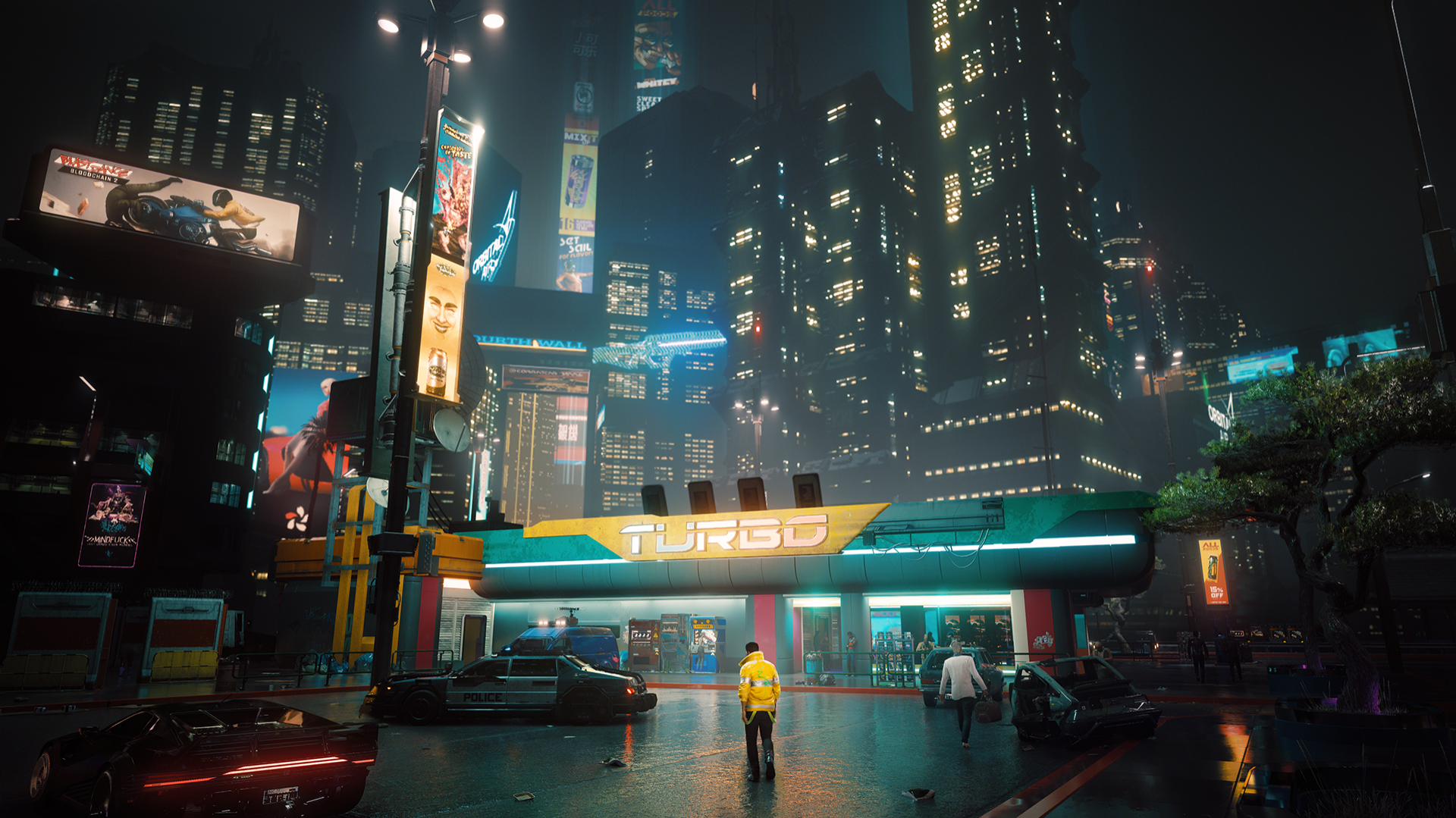
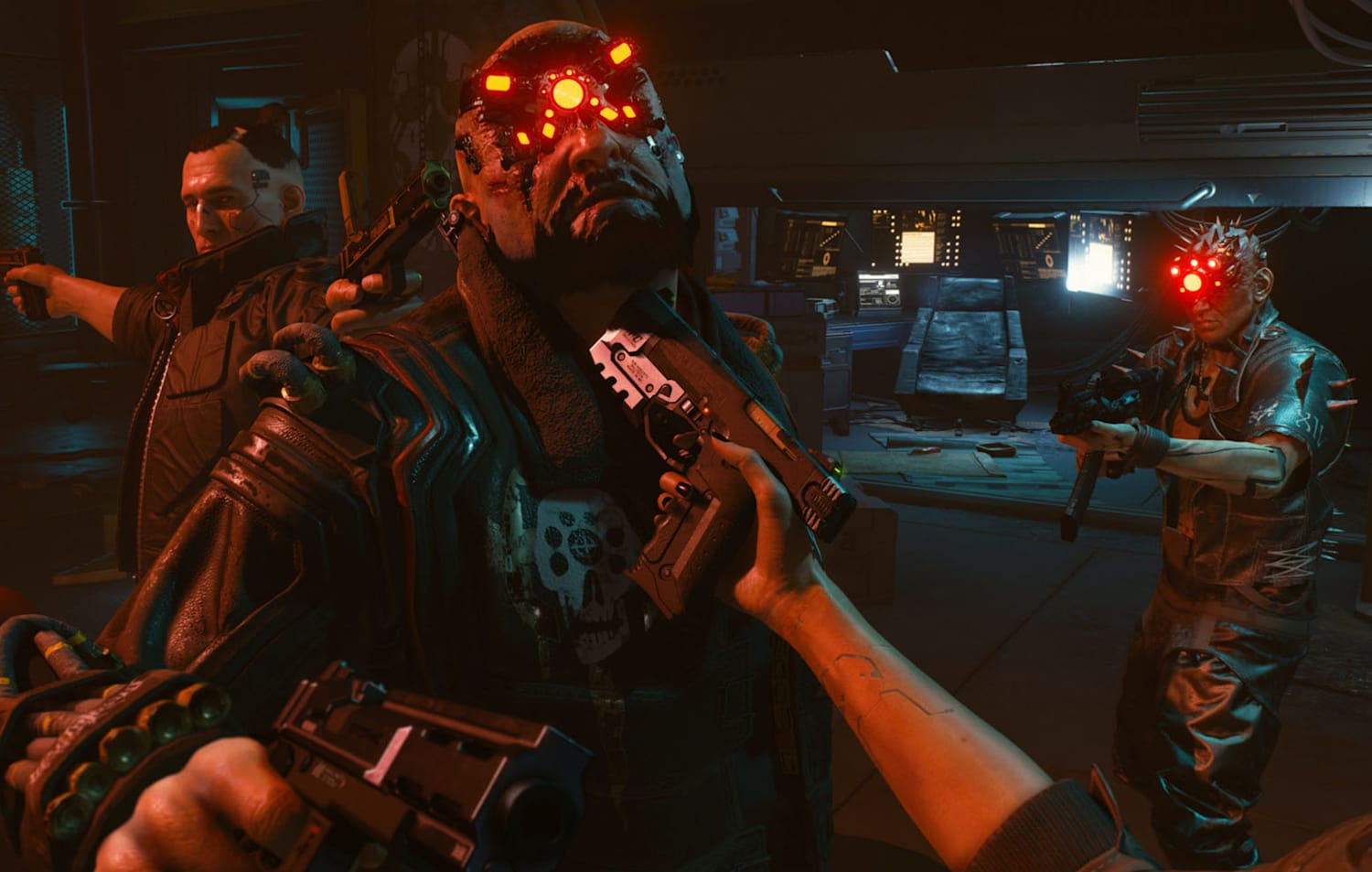


After a rocky launch, Cyberpunk 2077 evolved into one of the most immersive futuristic open world experiences.
Night City feels dense and vertical, full of neon lights, gangs, and corporate corruption.
Why players love it now:
- Strong narrative choices
- Unique cyber-abilities
- Deep character customization
- Stunning urban atmosphere
It shows how post-launch support can completely transform a game’s reputation.
What Makes an Open World Game Truly Great?
Not every big map equals a great game. The best open world titles share key characteristics:
1. Meaningful Exploration
The world must reward curiosity. Hidden secrets, unique encounters, and environmental storytelling matter.
2. Strong Narrative Integration
The story should feel connected to the world — not separate from it.
3. Player Freedom
Whether through combat styles, dialogue choices, or exploration paths, player agency is crucial.
4. Living Ecosystems
NPC behavior, weather systems, wildlife, and dynamic events create immersion.
The Future of Open World Gaming
With advancing technology like faster SSDs, AI-driven NPCs, and real-time ray tracing, open world games are becoming more realistic and interactive.
Upcoming trends include:
- AI-powered dynamic dialogue
- Procedurally evolving cities
- Seamless multiplayer integration
- Deeper moral choice systems
The line between virtual and real worlds continues to blur.